“TechSpace”: Modern research laboratories at the Faculty of Technics of Vilniaus Kolegija
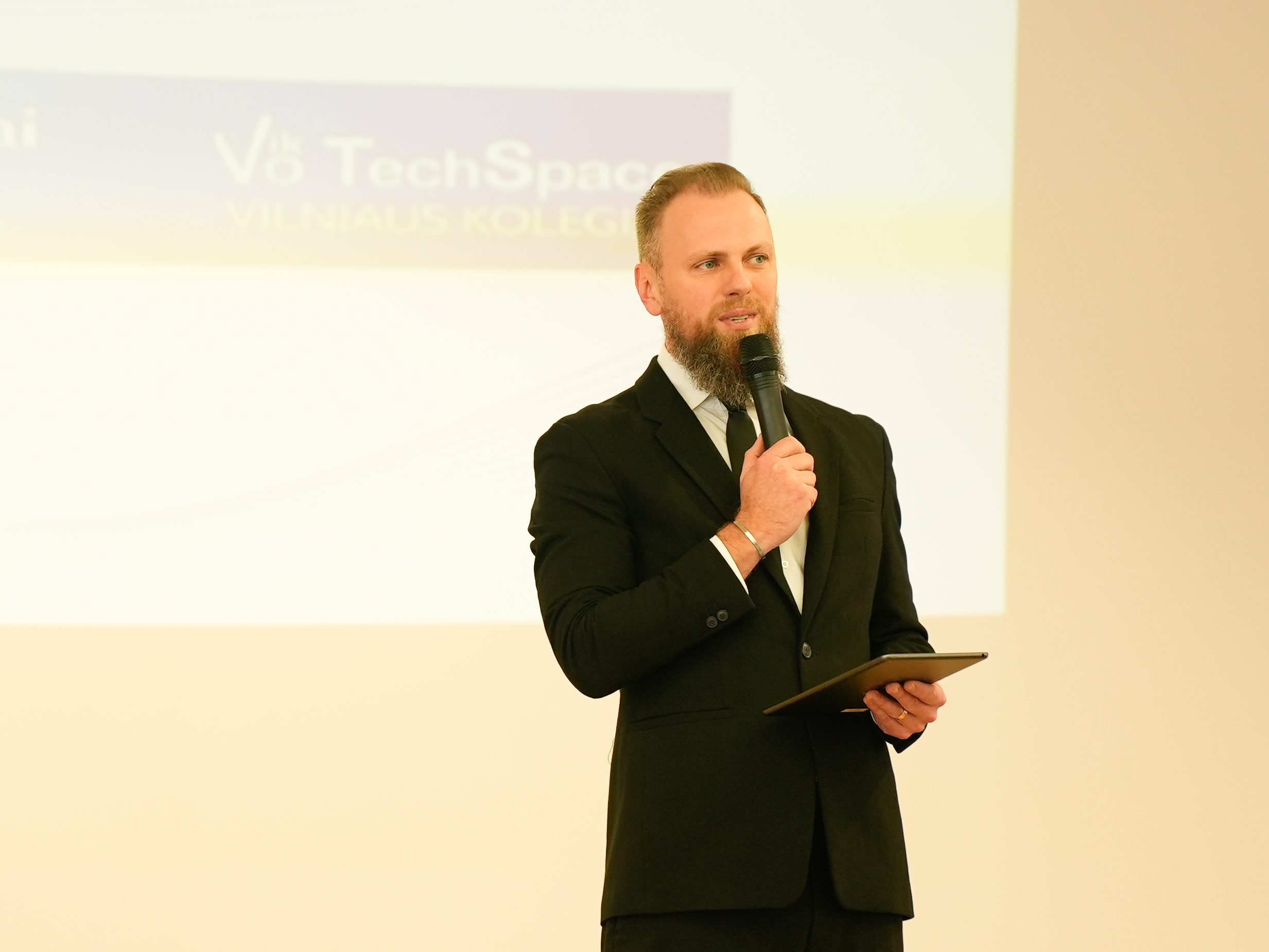
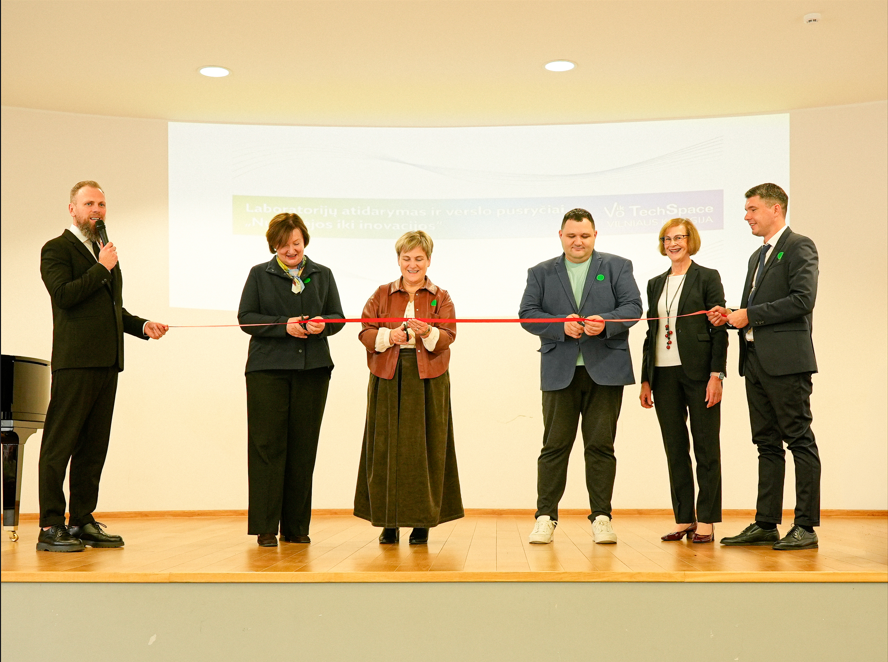
The laboratories of “TechSpace” Research Centre have officially opened at the Faculty of Technics of Vilniaus Kolegija / Higher Education Institution (VIKO), bringing together advanced technologies, hands-on learning, and applied scientific research in a shared environment for innovation. The new facilities provide opportunities to conduct research in technological sciences, develop innovative solutions, enhance the quality of education, and strengthen collaboration with industry partners.
The opening of four new laboratories at the Faculty of Technics marks another significant milestone in the development of “TechSpace” Research Centre. “TechSpace” project was implemented in two phases: the first involved the opening of laboratories at the Faculty of Electronics and Informatics, while the second focused on the Faculty of Technics. “TechSpace” brings together the technological expertise of VIKO Faculties of Technics, Electronics and Informatics, and Civil Engineering, creating opportunities to strengthen interfaculty collaboration, advance applied scientific research, and develop joint technological solutions.
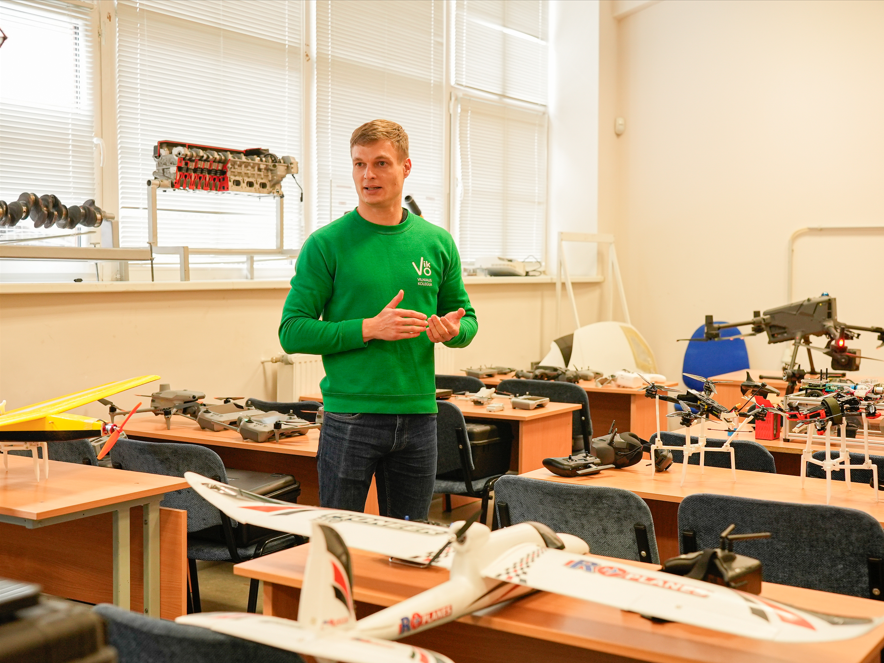
“TechSpace” Research Centre at the Faculty of Technics comprises four new specialised laboratories: Prototyping, Mechanical Testing, Electromagnetic Compatibility, and Automotive Research. Each laboratory is equipped with professional-grade equipment that enables experimental research of varying complexity, engineering testing, and the practical implementation of innovative ideas.
Faculty of Technics laboratories: from prototyping to advanced research
The laboratories support a wide range of activities across various fields of technology, from the development of prototypes and the manufacturing of complex engineering components to research into the mechanical properties of materials, the electromagnetic compatibility of electronic equipment, and vehicle emissions.
Prototyping Laboratory uses advanced 3D printing, laser cutting, and scanning technologies. “Kings M480” metal and “Kings P440” plastic laser 3D printers enable the production of prototypes with complex geometries and functional components. The laboratory is also equipped with an “AccTek AKJ1325F” laser cutting machine, “MegaPlot PLUS TWISTER PRO” foam cutting machine, and a “Shining 3D EinScan HX” hybrid 3D scanner. This equipment supports various stages of product development, from the digitisation of physical objects and design to prototype manufacturing. These technologies can be applied in industry, architecture, medicine, and other fields.
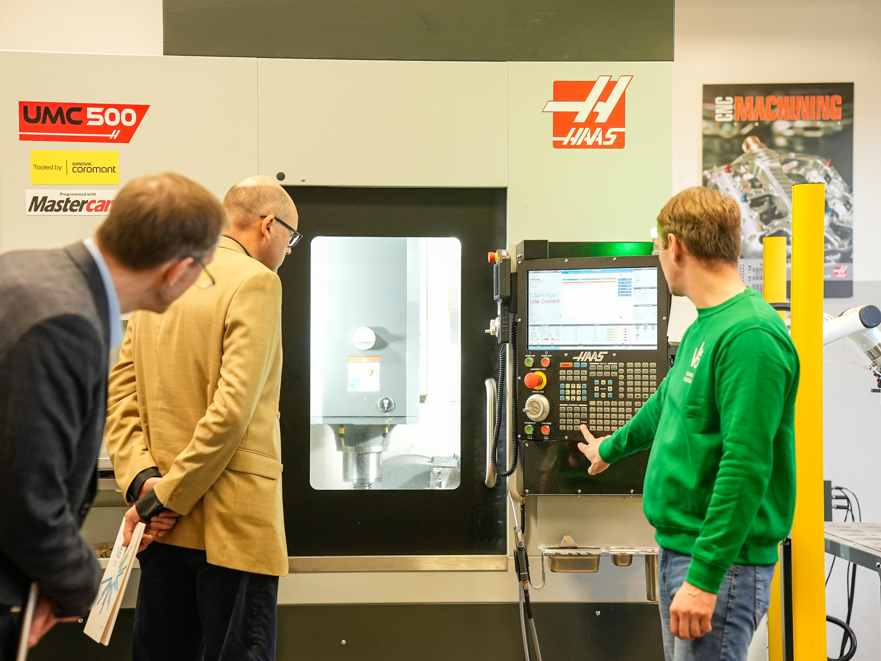
Mechanical Testing Laboratory conducts research into the mechanical properties of materials, vibration resistance, friction, and wear. The laboratory is equipped with an “IMV Corporation M120” vibration testing system, an “RTEC Instruments MFT-2000” multifunctional tribometer, a “Zwick / Roell Z100” tensile and compression testing machine, a hardness tester, and a digital microscope. It also features a “HAAS Automation UMC-500” five-axis computer numerical control (CNC) milling machine, enabling the production of complex mechanical components. These technologies make it possible to assess the reliability of materials and structures, identify potential defects, and develop solutions to improve product quality and durability.
Automotive Research Laboratory focuses on investigating the environmental performance and operational characteristics of vehicles. Using the “MRU NOVA Plus” exhaust gas analyser, the “Dekati High Resolution ELPI+” particle analyser, and a portable emissions measurement system, researchers can assess vehicle emissions under both laboratory and real-world driving conditions. The laboratory also uses an “IKA C200h” calorimeter to determine the calorific value of fuels, while “Dewesoft” equipment enables the analysis of vehicle dynamic parameters. The research conducted in the laboratory contributes to improving transport efficiency and developing solutions to reduce emissions.
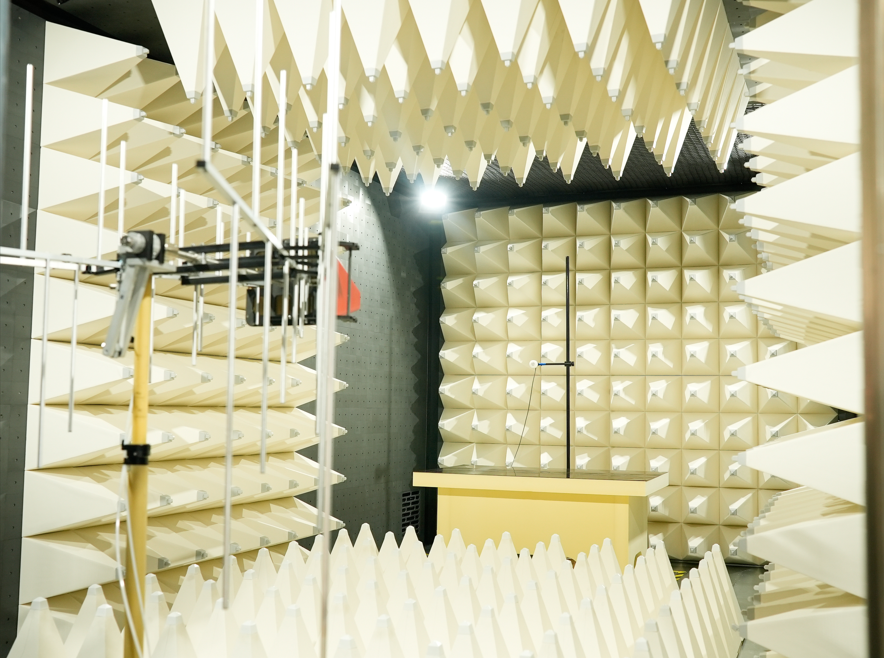
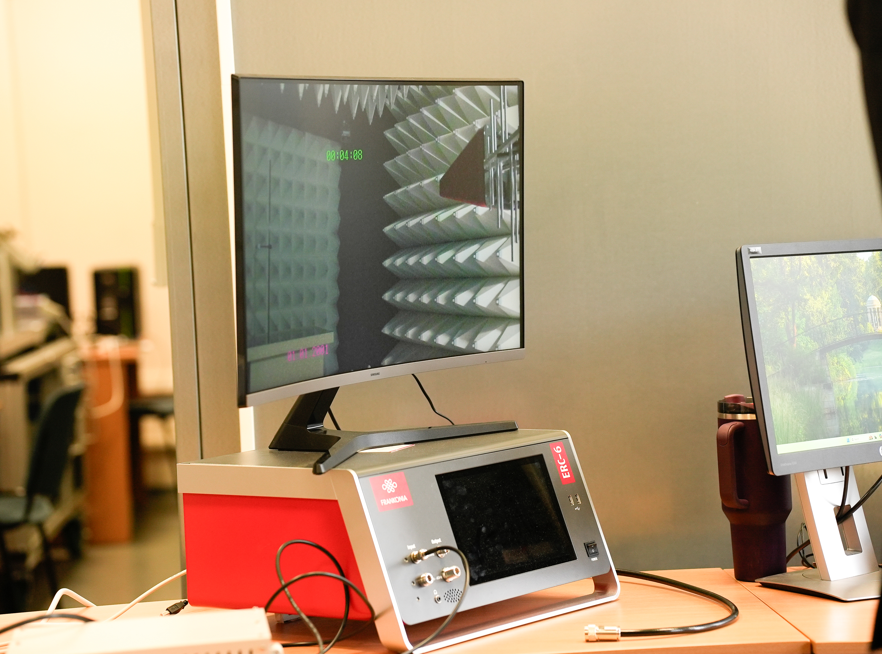
Electromagnetic Compatibility Laboratory investigates how electronic equipment operates in the presence of electromagnetic interference and the interference it generates. The laboratory conducts tests to assess equipment immunity to electromagnetic fields, electrostatic discharges, and voltage surges, as well as analyses of antenna, filter, and cable parameters. Some of the tests are carried out in a specially designed semi-anechoic chamber. These capabilities are essential for assessing the reliability of electronic systems and improving their technological performance.
The laboratory infrastructure of “TechSpace” Research Centre will make a significant contribution to the development of applied scientific research at Vilniaus Kolegija / Higher Education Institution, providing opportunities to conduct a wide range of engineering tests, develop prototypes, and implement practical technological solutions. The modern equipment will also create greater opportunities for collaboration with business and industry partners through commissioned research projects and the development of solutions to specific technological challenges.
“TechSpace” laboratories are not only modern research facilities but also spaces for experimentation, creation, exploration, and collaboration, providing opportunities to apply theoretical knowledge in practice and strengthening VIKO’s role as an institution of applied sciences and innovation.
Photos – Simona Dojankevičiūtė