The future of skills and opportunities for strengthening regions were discussed at the applied higher education forum
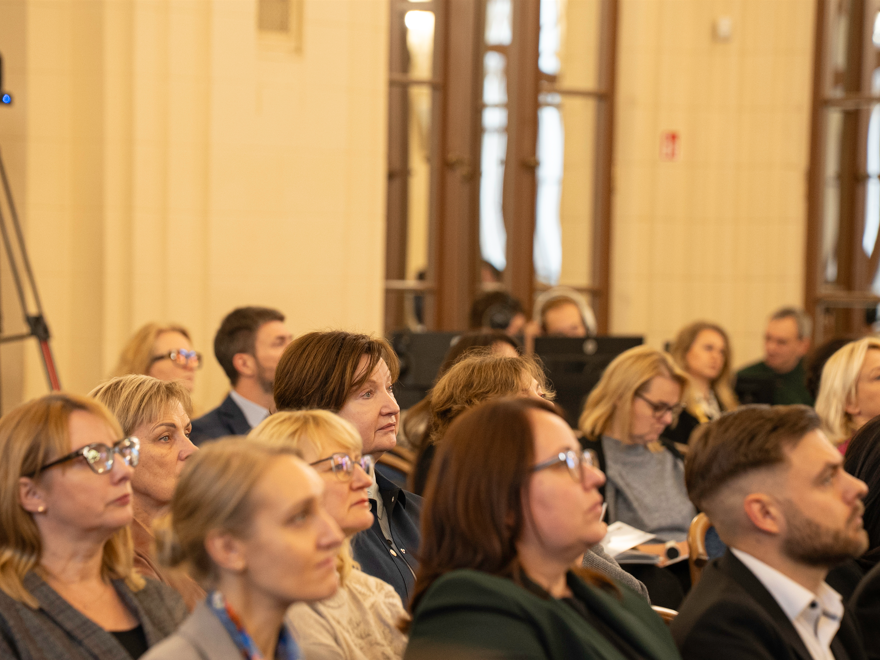
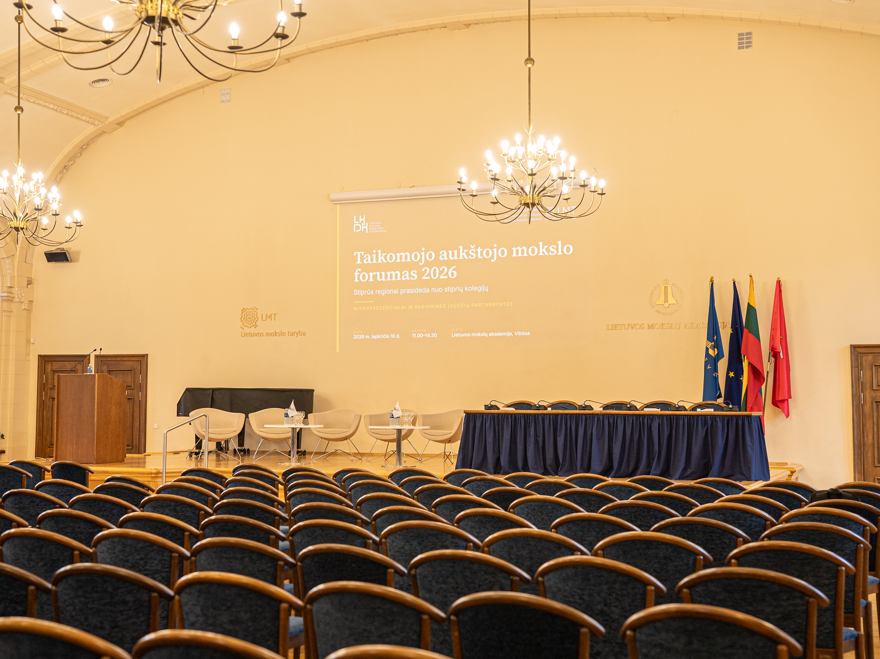
On 10 November, the Applied Higher Education Forum “Strong regions begin with strong Higher Education Institutions,” organized by the Conference of Directors of Lithuanian Higher Education Institutions (LKDK), took place at the Lithuanian Academy of Sciences in Vilnius. Event brought together representatives of higher education, state institutions, local government and business to discuss changing labour market needs, skills development and the role of higher education institutions in strengthening regions.
This year’s forum placed particular emphasis on micro-credentials and regional skills partnerships. As the labour market continues to evolve rapidly, opportunities to continuously update existing knowledge and acquire new competencies are becoming increasingly important. According to the 2022 Recommendation of the Council of the European Union, a micro-credential is a record of the learning outcomes acquired following a small volume of learning. These outcomes are assessed against clearly defined criteria, while learning programmes focus on specific knowledge and skills needed for the labour market or personal development.
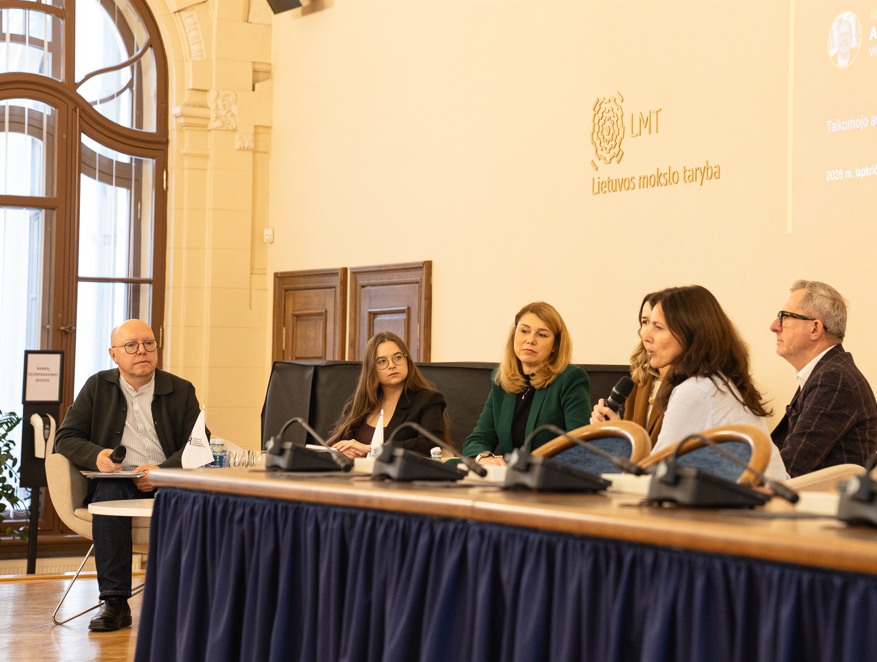
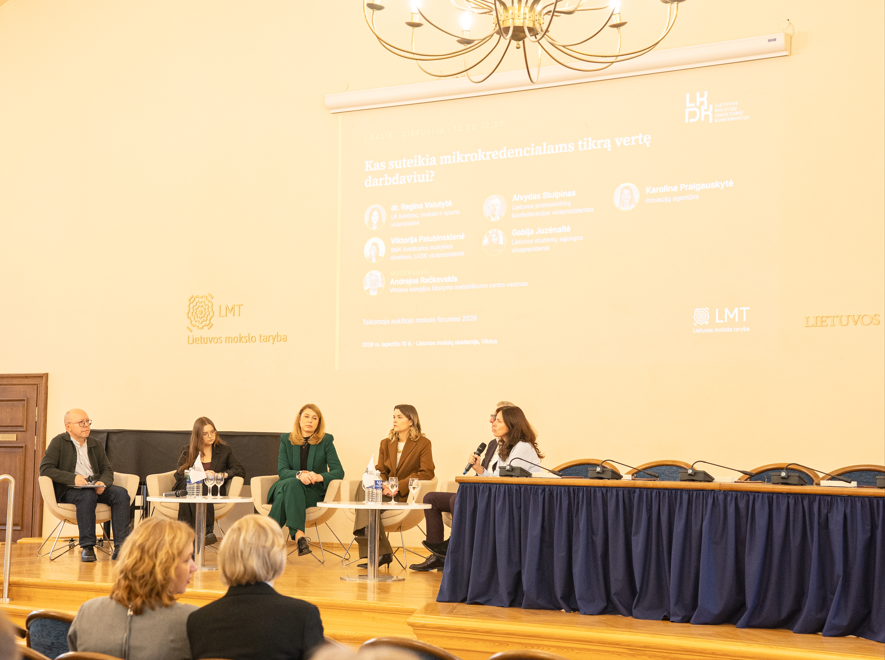
A. Račkovskis, Head of the VIKO Teaching Excellence Center, moderated a panel discussion entitled “What Gives Micro-Credentials Real Value for Employers?”. The discussion brought together Dr Regina Valutytė, Vice-Minister of Education, Science and Sport of the Republic of Lithuania; Viktorija Palubinskienė, Vice-President of the Conference of Directors of Lithuanian Higher Education Institutions; Alvydas Stulpinas, Vice-President of the Lithuanian Confederation of Industrialists; Gabija Juzėnaitė, Vice-President of the Lithuanian National Union of Students; and Karolina Pralgauskytė, a representative of the Innovation Agency. The discussion explored the value of micro-credentials and the importance of targeted competencies from different perspectives, including those of business, higher education, government institutions and students.
The forum programme also addressed skills shortages in the regions, aligning education with labour market needs, and opportunities for cooperation between different sectors. Glenda Quintini, Head of the Skills and Future Readiness Division at the Organization for Economic Co-operation and Development (OECD), and Manuela Geleng, Director for Jobs and Skills at the European Commission’s Directorate-General for Employment, Social Affairs and Inclusion, shared their insights remotely. Latvia’s experience in developing micro-credentials that meet employers’ needs was also presented.
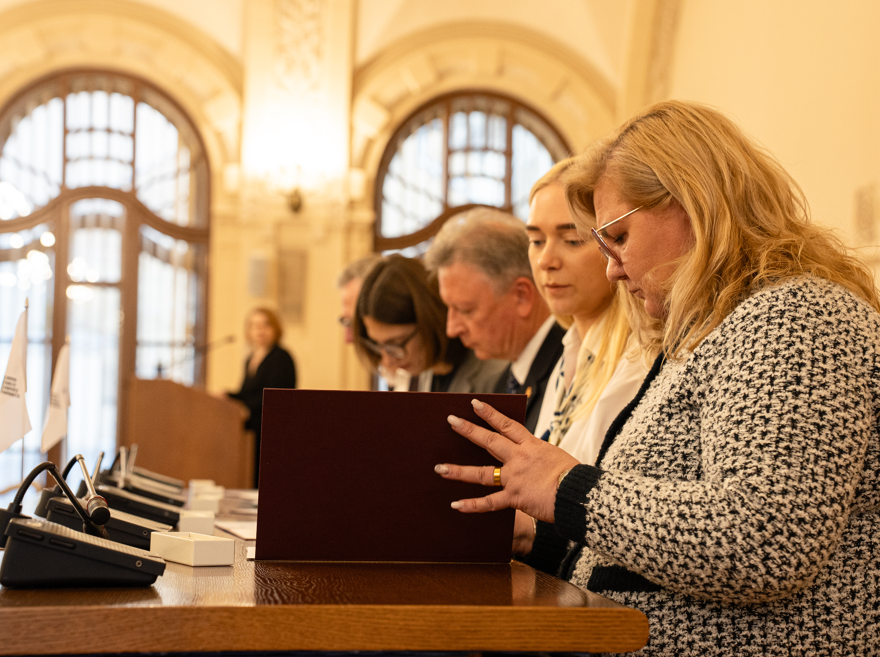
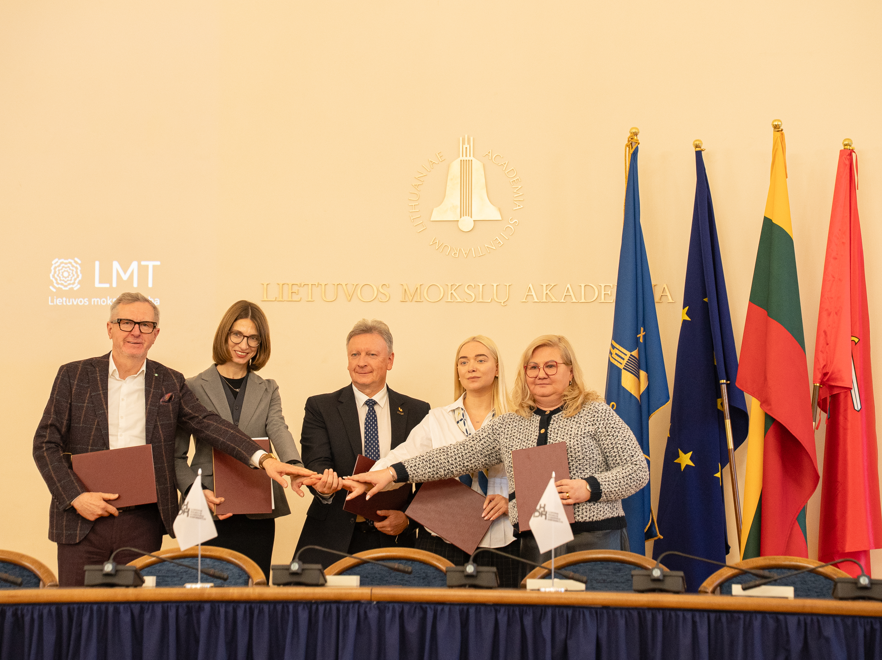
One of the most significant outcomes of the forum was the signing of the Memorandum on the National Regional Skills Partnership. The memorandum expressed a shared commitment to strengthening cooperation between national and local government institutions, higher education institutions, businesses and the innovation ecosystem, bringing together expertise from different sectors and jointly seeking solutions to better address regional labour market needs and create more favourable conditions for regional development.
The forum emphasized that strengthening regions requires not only the development of relevant competencies but also close cooperation between higher education institutions, employers and the public sector. The involvement of colleges in these partnerships creates opportunities to contribute to the development of learning opportunities that meet labour market needs and to strengthen the potential of the regions.
Photos – Simona Dojankevičiūtė